
After testing dozens of options, we ranked the best podcast microphone under $100 by sound quality, ease of setup, and value.
Most podcasting advice skips straight to the $200–$400 bracket. The SM7B gets recommended before people even know what a preamp is. That’s not useful for someone who wants to start a podcast, isn’t sure it’ll stick, and doesn’t want to drop $400 before publishing a single episode.
The good news: under $100 is a genuinely viable budget for podcasting. Not “good enough to get started and immediately replace” viable — actually solid enough to produce professional-sounding audio that listeners won’t complain about. The key is choosing the right type of mic. Most budget mics use condenser capsules because they’re cheap to manufacture and sound impressive in demo conditions. They also pick up every flaw in your recording environment, which is why so many home podcasters end up with echoey, roomy audio despite buying a “good” mic.
The mics on this list prioritize real-world performance in real home environments — not impressive specs on paper. Here’s what’s actually worth buying under $100.
Our Top Picks
QUICK PICKS
This is our overall pick for best podcast microphone under $100 — USB, cardioid, and plug-and-play ready.
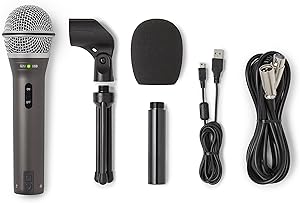
- Dynamic capsule handles untreated rooms far better than any condenser under $100
- USB and XLR outputs — plug-and-play today, interface-ready tomorrow
- Built-in headphone monitoring jack
- Complete kit: desk stand, clip, USB and XLR cables included
- Priced under $70
- Thin sound in the high end for bright voices
- Desk stand positions mic poorly
- Plastic construction feels light

- Dynamic capsule with low self-noise — keeps room sound out of the recording
- USB and XLR outputs — start on USB, move to an interface later without replacing the mic
- Physical mute button, volume knob and headphone jack built into the body
- All-metal chassis at a price where plastic is the norm
- Voice detail trails the Q2U and the PodMic
- Overlaps closely with FIFINE’s own cheaper K688
- Streamer-styled look is louder than a plain studio mic
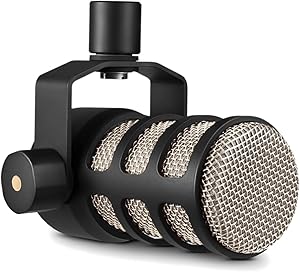
- Broadcast-quality sound — warmer and richer than the Q2U or Tank3
- Internal pop filter — work close without plosive problems
- Built-in high-pass filter rolls off low-end rumble
- Tight polar pattern handles noisy environments
- Solid metal build for daily use
- XLR only — requires an interface (+$130)
- No plug-and-play option
- Total setup cost approaches $250

- Dynamic capsule — better room rejection than budget condensers
- Shock mount included
- USB plug-and-play, no drivers needed
- Under $50 — lowest cost of entry on this list
- Sound quality noticeably below the Q2U and PodMic
- Build quality reflects the price
- Not a long-term keeper if you take audio seriously
QUICK COMPARISON
| Microphone | Connection | Capsule | Best For | Score |
|---|---|---|---|---|
| Samson Q2U | USB + XLR | Dynamic | Overall Best | 9.1 |
| FIFINE AmpliTank Tank3 | USB + XLR | Dynamic | Best Controls | 8.5 |
| Rode PodMic | XLR only | Dynamic | Best XLR | 8.8 |
| FIFINE K688 | USB | Dynamic | Ultra-Budget | 7.8 |
Full Breakdown
The Q2U is the mic that changes the framing of the under-$100 conversation. Most mics in this range use condenser capsules — and in a typical home recording environment, those capsules pick up every reflection, every ambient noise, and every flaw in the room. The Q2U uses a dynamic capsule, which is fundamentally less sensitive and naturally more forgiving. It focuses on what’s directly in front of it at close range and treats the rest of the room as background.
- Dynamic capsule handles untreated rooms better than any condenser under $100
- USB and XLR dual outputs for future flexibility
- Built-in headphone monitoring jack
- Full kit in the box — desk stand, clip, cables
- Priced under $70
- Thin high-end for bright or nasal voices
- Desk stand positions mic poorly
- Plastic construction feels light
The Tank3 is FIFINE’s answer to the Q2U, and it competes on hardware rather than tone. You get a metal body, a real mute button, a volume knob and a headphone jack for monitoring, all on the mic itself — controls the Q2U handles with fewer, simpler options. The capsule is a dynamic with low self-noise, so it behaves well in an untreated room. Where the Q2U still wins is voice detail: the Tank3 sounds slightly flatter through the upper mids. At around $80 it is the pick if you want the physical controls more than the last few percent of polish.
- Dynamic capsule with more natural, polished sound than the Q2U
- USB and XLR dual outputs
- Built-in headphone monitoring
- USB-C on the updated model
- Harder to find in stock consistently
- Slightly more expensive than the Q2U
- Included desk stand nearly useless
The Rode PodMic is XLR-only, which means it requires an audio interface — adding $130+ to the total cost. But if you already own an interface, or are buying a Scarlett Solo alongside the mic, the PodMic is the best-sounding option available under $100. It was designed specifically for broadcast and podcasting: tight cardioid polar pattern, internal pop filter, high-pass filter, and warm broadcast voicing that flatters most speaking voices.
- Broadcast-quality sound — warmer and richer than the Q2U or Tank3
- Internal pop filter for close-mic work
- Built-in high-pass filter for low-end rumble
- Tight polar pattern handles noisy home environments
- Solid metal build for years of daily use
- XLR only — requires interface (+$130 to total cost)
- Not plug-and-play
- Total setup cost approaches $250
The K688 is a USB dynamic cardioid mic under $50 with a shock mount, pop filter, and arm mount adapter included. Most mics at this price use condenser capsules — the K688 doesn’t, which gives it better room rejection than budget condensers like the Blue Snowball. The sound quality is noticeably below the Q2U and PodMic, but for someone who genuinely needs to start for under $50 and test whether podcasting is for them, it’s a more honest recommendation than any condenser at this price.
- Dynamic capsule — better room rejection than condenser alternatives
- Shock mount included
- USB plug-and-play, no drivers needed
- Under $50 — lowest barrier to entry
- Sound quality noticeably below the Q2U and PodMic
- Build quality reflects the price
- Not a long-term keeper if you take audio seriously
Head-to-head, each best podcast microphone under $100 we tested revealed different strengths depending on your recording environment.
Buying Guide
Why Most “Budget Mic” Recommendations Are Wrong
Type “best podcast mic under $100” into any search engine and you’ll get a list dominated by condenser microphones — Blue Yeti, HyperX QuadCast, Blue Snowball. These mics sound excellent in treated recording environments and are actively harmful recommendations for most home podcasters. Condenser capsules are sensitive by design. They pick up everything — your voice, your room, your HVAC system, and every reflection bouncing off your walls. Dynamic microphones are far less sensitive. They focus on what’s directly in front of them and ignore the rest. Under $100, the honest recommendation is almost always a dynamic mic.
Mic Technique Matters As Much As Mic Choice
Even the best mic on this list will sound bad if you use it wrong. Stay 4–8 inches from the mic, on-axis. At 12 inches or more, the room starts to dominate the recording. Speak across the capsule slightly rather than directly into it to reduce plosives. A boom arm rather than a desk stand changes mic position significantly and improves results noticeably.
Frequently Asked Questions
Is a $70 microphone really good enough for a podcast?
Yes, if it’s a dynamic mic used with proper technique. The Samson Q2U consistently outperforms condenser mics at two or three times the price in typical home recording environments because it doesn’t expose room flaws.
Should I buy a USB or XLR mic?
If you don’t already own an interface, buy USB. The Q2U and Tank3 both have USB outputs and sound excellent without additional hardware. XLR adds $130+ to your total cost regardless of the mic price.
Do I need a pop filter?
With dynamic mics like the Q2U and Tank3, a pop filter is helpful but not critical. The PodMic has one built in. A basic pop filter costs $10–$15 and is worth adding to any setup.
How long before I need to upgrade?
The Q2U and Tank3 are solid enough to last years. The upgrade path is usually driven by wanting better sound quality or adding a co-host. The mic is rarely the bottleneck in a home podcasting setup — room acoustics and editing consistency usually are.
Choosing the best podcast microphone under $100 comes down to three things: USB vs XLR, polar pattern, and noise floor spec.
Related Guides
- Best USB Mic for Podcasting at Home: Plug In, Press Record, Sound Professional
- Best Podcast Mic Under $200: The Best-Sounding Mics You Can Actually Afford
- Blue Yeti Review: Best USB Mic for Podcasting?
- Best Complete Podcast Setup Under $200: The Gear Ladder’s Missing Rung
Browse all guides in our Microphones Hub.
Whichever you pick from this list, every best podcast microphone under $100 here will outperform your laptop mic by a wide margin.