
Quick Answer
The Maono PD200W (~$99) is the smarter buy for most podcasters — its 2.4GHz wireless mode, USB/XLR flexibility, and two-mic duo recording capability offer versatility no wired mic at this price can match.
The Shure MV7+ ($279) wins on pure sound quality — warmer low-end, smoother highs, touch-panel hardware controls, and three capsule voice modes. Choose the PD200W if budget or wireless flexibility is a priority. Choose the MV7+ if you record in a fixed setup and sound quality is your single most important criterion.
These two mics look like they’re competing for the same buyer, but they’re actually built for different priorities. The Maono PD200W is a hybrid wireless/USB/XLR dynamic mic for under $100 — a uniquely flexible option that has no direct equivalent in the budget category. The Shure MV7+ is a premium USB-C/XLR dynamic at $279 with a redesigned broadcast-quality capsule, a physical touch panel, and three capsule voice modes. The gap between them isn’t just price: it’s workflow, sound quality, and what you need from your recording setup.
This comparison breaks down the key differences in sound quality, features, use cases, and value to help you decide which mic belongs in your setup.
Side-by-Side Comparison
Our Top Picks


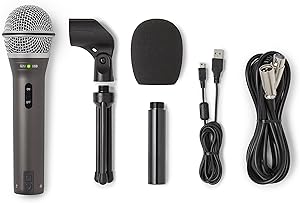
| Maono PD200W | Shure MV7+ | |
|---|---|---|
| Price | ~$99 | $279 |
| Capsule Type | Dynamic, 30mm | Dynamic (redesigned for MV7+) |
| Connectivity | Wireless 2.4GHz + USB-C + XLR | USB-C + XLR |
| Wireless Mode | Yes (2.4GHz, ~30ft range) | No |
| Physical Controls | None (software only) | Touch panel (gain, volume, mute) |
| Voice Modes | None | Natural, High Pass, Presence Boost |
| Headphone Monitoring | Yes (USB/XLR mode) | Yes (3.5mm jack) |
| SNR | 82dB | Not published (Shure quotes SPL) |
| Max SPL | 128dB | Not specified |
| Duo Wireless Mode | Yes (2 mics, 1 receiver, separate tracks) | No |
| App Required | No | Optional (ShurePlus MOTIV) |
Sound Quality: The Honest Gap
The Shure MV7+ sounds better than the Maono PD200W. This isn’t a brand bias — it’s a function of engineering budget. Shure’s capsule has a warmer, fuller low-mid body and a smoother high-frequency extension that most budget dynamic mics don’t achieve. The MV7+ produces a sound that can be published without post-processing and still satisfy professional-grade standards. The PD200W is noticeably thinner in the low end and has a slightly harsher upper-midrange response — manageable with a light EQ, but present.
In USB-C and XLR modes, the PD200W’s 82dB SNR and 30mm dynamic capsule perform well for its price category. In wireless mode, the signal chain adds a small amount of additional noise floor and mild compression. The difference is subtle enough that most podcast audiences won’t notice on Spotify or Apple Podcasts, but it’s there. For audio engineers and critical listeners, the Shure MV7+ is the clear winner. For everyone else recording a podcast, the PD200W is “good enough” at a fraction of the price.
The Wireless Advantage: When It Actually Matters
The PD200W’s wireless mode is its only feature the MV7+ completely lacks. Whether this matters depends entirely on your workflow. If you record in a fixed studio setup with your mic on a boom arm, wireless capability is irrelevant and the MV7+’s superior capsule quality is the obvious priority. If you record in multiple locations, move around during recording, or need to set up quickly without cable management, wireless is genuinely useful.
The two-mic wireless duo setup is where the PD200W’s value proposition gets most interesting. Two PD200W units connecting to a single receiver — each recording to its own track — enables a wireless two-person interview for approximately $200 total. To replicate this with the MV7+ or any comparable wired setup, you’d need two mics, an audio interface with two inputs, and XLR cables. The PD200W duo setup has fewer components, costs less, and records with less setup time. For podcasters who frequently interview guests in-person, this capability alone justifies choosing the PD200W over the MV7+.
Who Should Buy Which
Buy the Maono PD200W if: You want wireless recording capability without spending $200+ on a dedicated wireless lavalier system. You regularly record interviews or duo episodes in-person and want independent tracks per speaker without an audio interface. Your budget is under $100. You record in multiple locations and need connection flexibility. Sound quality is important but not your single primary criteria.
Buy the Shure MV7+ if: Sound quality is your primary consideration. You record in a fixed studio location and don’t need wireless capability. You want hardware controls (touch panel, mute, gain) without touching software. You produce content where audio quality is a differentiator — audiophile audiences, high-production-value shows, or professional voice work. You have $279 to spend and want the best-sounding USB/XLR dynamic mic in its class.
Our Verdict
The PD200W wins on value, versatility, and wireless flexibility — it’s the smarter buy for most podcasters. The MV7+ wins on capsule refinement, build quality, and brand reliability. If you’re on a budget or need wireless, go PD200W. If you want the best-sounding plug-and-play dynamic and plan to use XLR long-term, the MV7+ is worth the premium.
Maono PD200W
8.3/10
Best value & versatility
Shure MV7+
8.5/10
Best sound quality
Maono vs Shure: Which Brand Should Podcasters Trust?
If you’re searching “Maono vs Shure” without a specific model in mind, here’s the straight answer: Shure is the legacy broadcast brand — decades of microphone engineering, trusted in professional studios worldwide. Maono has rapidly emerged as a value-driven competitor with genuinely capable mics at aggressive price points. The PD200W vs MV7+ comparison is one of the clearest head-to-heads between them, but the brand-level difference is really about ecosystem and price ceiling.
Maono offers more features per dollar — the PD200W’s wireless capability alone would cost significantly more in any Shure product. Shure offers a more refined sound character, better build longevity, and stronger brand recognition if you’re recording for clients or streaming professionally. Neither brand is objectively “better” — Maono wins on value, Shure wins on prestige and polish.
It’s also worth noting that some searches for “Maono PD200W vs Shure SM7B” land here. The SM7B is a different tier entirely — it’s an XLR-only dynamic mic requiring an audio interface and preamp, while the PD200W is a hybrid wireless USB mic. They’re not direct competitors, but if you’re weighing them as your podcasting mic: the SM7B is the long-term investment, the PD200W is the more flexible all-in-one solution.
Frequently Asked Questions
Is the $180 price difference between the PD200W and MV7+ audible to podcast listeners?
In most real-world publishing scenarios, no — with a caveat. Both mics produce audio that sounds professional on podcasting platforms when used correctly (good mic technique, quiet room, appropriate gain). The MV7+’s advantage is most audible in wideband listening environments (studio monitors, high-quality headphones) and in recordings where the capsule’s low-end warmth is a meaningful part of the product. For typical Spotify or Apple Podcasts listeners using phone speakers or AirPods, the difference is minor.
Can I use the PD200W wireless mode with an audio interface?
The wireless receiver connects via USB-A, delivering audio to your computer just like a USB microphone. You cannot route the wireless signal into an XLR audio interface directly — wireless mode bypasses the XLR output. If you need the cleanest possible signal path, use XLR mode (wired) with your interface. Wireless mode is designed for direct USB connection to a computer or receiver hub.
Does the Shure MV7+ support multi-mic setups?
In USB mode, you can run multiple MV7+ units into multiple USB inputs on a computer with software mixing. In XLR mode, any multi-input audio interface handles multiple MV7+ units. The MV7+ doesn’t have a built-in multi-mic wireless system the way the PD200W does — for multi-host setups, you need an interface or mixer.
Which mic is better for streaming on Twitch or YouTube?
The Shure MV7+ is the better streaming mic for its touch-panel mute (fast and hardware-level, no alt-tab required) and superior audio quality. The PD200W is serviceable for streaming in USB mode but wireless mode adds slight latency that can cause drift in long streams. For fixed-position streaming where you’re always at your desk, the MV7+ is the clear choice.
Is the PD200W worth upgrading to the MV7+ in the future?
Yes, if your podcast grows to a point where audio quality becomes a differentiator. The PD200W is an excellent starting mic — it’s not a permanent setback. Many successful podcasters started on budget mics and upgraded when they had the audience and budget to justify it. The PD200W’s XLR mode will also work with any interface you buy along the way, so nothing is wasted when you eventually upgrade.
Related reading: Shure MV7+ Review: The Upgraded USB/XLR Podcast Mic That Gets Everything Right · Maono PD200W vs Elgato Wave DX: Wireless Flexibility vs. Wired Simplicity · USB vs. XLR Microphones: The Complete Guide to Choosing Your Podcast Setup
Related Guides
- Best Podcast Mic for Untreated Rooms: What Works When Your Space Doesn’t
- How to Reduce Echo in a Home Recording Space Without Acoustic Panels
- Best Podcast Setup for Small Rooms: How to Record Clean Audio
Maono mics are genuinely competitive with entry-level Shure products. The Maono PD200W, for example, includes wireless connectivity and a USB/XLR hybrid design that outfeatures the Shure MV7+ at a similar price. Shure wins on sound character refinement and brand reputation. For most podcasters, Maono offers better value per dollar; for professional studios or client work, Shure’s credibility and longevity edge it out.
The Maono PD200W and Shure SM7B serve different needs. The SM7B is a professional XLR dynamic microphone requiring an audio interface — it delivers the gold-standard broadcast sound but needs a full signal chain. The PD200W is a hybrid wireless USB mic that works standalone. The SM7B sounds better in a treated studio; the PD200W is more versatile for mobile and on-location recording.