
Quick Answer
The Blue Yeti is a condenser microphone — and condenser mics pick up too much room noise, keyboard clicks, and ambient sound to be reliable in most home podcast setups. We recommend dynamic alternatives instead.
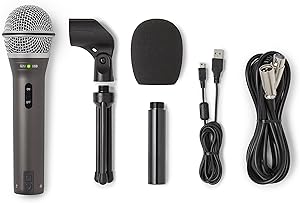
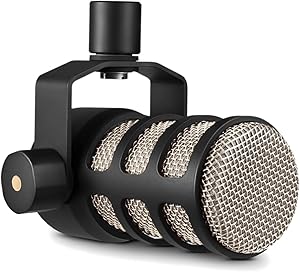
The Samson Q2U (~$70, USB/XLR) is the best budget swap. The Rode PodMic (~$100, XLR) is the best mid-range option. The Shure SM7B is the professional standard when you’re ready to go all-in. All three reject background noise by design — something the Blue Yeti’s condenser capsule fundamentally cannot do in a typical home recording environment.
Blue Yeti Alternatives Under $100: Best Budget Picks
Our Verdict
The Blue Yeti is one of the most searched mics on the planet — and one of the least recommended by audio professionals who’ve actually used it with clients. Here’s what we’ve found, and what we suggest instead.
Best Blue Yeti Alternatives: Our Top Picks

Blue Yeti Alternatives Compared: Which Is Actually Better?
| Spec | Samson Q2U | Rode PodMic | Shure SM7B | Blue Yeti |
|---|---|---|---|---|
| Price | ~$70 | ~$99 | ~$359 | ~$100 |
| Capsule Type | Dynamic | Dynamic | Dynamic | Condenser |
| Connection | USB + XLR | XLR only | XLR only | USB only |
| Room Noise Rejection | Yes Excellent | Yes Excellent | Yes Excellent | Partial Poor |
| XLR Upgrade Path | Yes Yes | Yes Already XLR | Yes Already XLR | No |
| Plug & Play (USB) | Yes Yes | Partial Needs interface | Partial Needs interface | Yes Yes |
| Multiple Pickup Patterns | Cardioid only | Cardioid only | Cardioid only | Yes 4 patterns |
Microphones Better Than the Blue Yeti: By Use Case
The right Blue Yeti alternative depends on your setup. Here’s how the top options compare across common use cases:
For Budget Podcasters: Samson Q2U
The Samson Q2U (~$70) outperforms the Blue Yeti where it matters most for home recording: background noise rejection. As a dynamic mic, it physically cannot pick up the off-axis room noise that the Yeti’s condenser capsule amplifies. It also outputs both USB and XLR — start plug-and-play today and add an interface later without buying a new mic. The Blue Yeti costs more and locks you into USB permanently.
For XLR Podcasters: Rode PodMic
If you have (or plan to buy) an audio interface, the Rode PodMic (~$100) is the natural Yeti alternative at the same price point. Its broadcast-tuned response shapes your voice to sound full without post-processing. The tight cardioid pattern keeps keyboard clicks, fans, and room reflections out of the recording — something the Blue Yeti’s large condenser diaphragm actively works against.
For Streamers: Shure MV7+
Streamers wanting a USB Blue Yeti replacement should look at the Shure MV7+ (~$180). It’s dynamic with USB-C and XLR outputs, a built-in headphone jack for real-time monitoring, and a companion app for EQ adjustments. The MV7+ costs more than the Yeti but delivers noticeably tighter sound in streaming rooms where the Yeti picks up every keyboard stroke and fan hum.
Why the Blue Yeti Rarely Makes Our List
The Blue Yeti is a condenser microphone — the same capsule type found in professional recording studios with treated walls, acoustic panels, and isolation booths. In those environments, it sounds excellent. But most podcasters aren’t recording in a professional studio. They’re in a home office with hard floors, a laptop fan humming nearby, and a neighbor who mows the lawn on Friday afternoons.
Condenser mics pick up everything. The Blue Yeti’s large diaphragm is sensitive enough to capture subtle room reflections, air handling noise, keyboard clicks, and the ambient hum of your environment — all of which end up in your finished audio. Dynamic microphones like the Q2U and PodMic work by a different mechanism and are naturally far more forgiving in real-world rooms.
The other issue is the USB-only connection. If you ever want to upgrade to an audio interface for better preamps or add a second mic for co-hosted episodes, you’ll have to buy a completely new microphone. The Samson Q2U starts as USB today and converts to XLR when you’re ready — no additional cost.
When the Blue Yeti Does Make Sense
If you record in a quiet, acoustically treated space and want the flexibility of multiple pickup patterns — for example, using bidirectional mode to record two people face-to-face with one mic — the Yeti is a capable tool. It’s also decent for recording acoustic instruments. But for a typical podcaster in a home environment, we’d still start with the Q2U.
Our Verdict
The Blue Yeti’s condenser capsule picks up too much room noise for most home podcast setups. The Q2U, PodMic, and SM7B are dynamic mics that reject background noise by design — and all three outperform the Yeti in real-world recording conditions. Start with the Q2U if you’re on a budget. Move to the SM7B when you’re ready to go professional.
FAQ: Best Blue Yeti Alternatives
Is the Blue Yeti actually bad?
It’s not bad — it’s misused. The Yeti is a capable condenser mic that just happens to be heavily marketed toward podcasters, a group that largely records in untreated rooms where condenser mics struggle most. In the right environment it sounds great. The problem is how often it ends up in the wrong one.
Can I fix the room noise issue with software?
Tools like NVIDIA RTX Voice, Krisp, or Adobe Enhance Speech can help, but they introduce processing artifacts and can’t fully replicate what a dynamic mic achieves naturally. It’s better to capture clean audio at the source than to fix it in post.
What’s the best Blue Yeti alternative under $100?
The Samson Q2U at around $70. It’s a dynamic mic with both USB and XLR outputs, includes a stand, clip, and windscreen in the box, and sounds cleaner in untreated rooms than the Blue Yeti — at a lower price.
Should I upgrade from the Blue Yeti to the SM7B?
The SM7B is a significant jump in both price (~$359) and setup requirements — it needs a strong preamp or dedicated audio interface. If you’re ready to invest in a full XLR chain, it’s worth every dollar. But if you just want better sound at a lower cost, the Rode PodMic or Samson Q2U are the smarter first moves.
What is the best alternative to the Blue Yeti?
The best Blue Yeti alternative is the Samson Q2U (~$70) for most podcasters — it’s a dynamic mic that handles untreated rooms far better than the Yeti’s condenser capsule, and it works via USB or XLR. If you want a direct condenser-to-condenser upgrade, the Audio-Technica AT2020 offers better off-axis rejection at a lower price. Neither requires a standalone interface to get started.
What microphones are better than the Blue Yeti?
Several microphones outperform the Blue Yeti in real-world podcasting conditions: the Shure MV7+ (better noise rejection, more consistent sound), the Samson Q2U (dynamic capsule handles room noise the Yeti picks up), the Audio-Technica AT2020 (tighter polar pattern, less room bleed), and the Rode NT-USB Mini (more portable, cleaner preamp). The Blue Yeti’s main advantage is name recognition — the audio quality rarely justifies its price over these alternatives.
Is there a Blue Yeti alternative with USB connectivity?
Yes — the Samson Q2U (~$70) offers both USB and XLR in one mic. The Shure MV7+ (~$180) is the premium USB/XLR option with a companion app and better build quality. Both are dynamic mics that reject room noise far better than the Blue Yeti’s condenser capsule — which is the main reason most podcasters are switching.
What Blue Yeti alternative is best for streaming?
For streaming, the Shure MV7+ is the best Blue Yeti alternative. USB-C connectivity, a built-in headphone jack for zero-latency monitoring, touch panel mute and gain, and a voice-shaping app. As a dynamic mic, it naturally rejects keyboard clicks, PC fans, and ambient noise the Blue Yeti’s condenser picks up during live streams. On a budget, the Samson Q2U handles streaming well under $70.
Blue Yeti Alternatives for Podcasting: Why Switch?
The best Blue Yeti alternatives offer tighter cardioid patterns, lower noise floors, and better build quality for the same or lower price. Related reading: Blue Yeti Review: Best USB Mic for Podcasting? · Shure MV7+ Review: The Upgraded USB/XLR Podcast Mic That Gets Everything Right · USB vs. XLR Microphones: The Complete Guide to Choosing Your Podcast Setup
For context when evaluating Blue Yeti alternatives, see our Rode NT-USB Mini vs Blue Yeti comparison and our best podcast mics under $100 guide. For independent specs, RTINGS microphone reviews are a reliable resource.